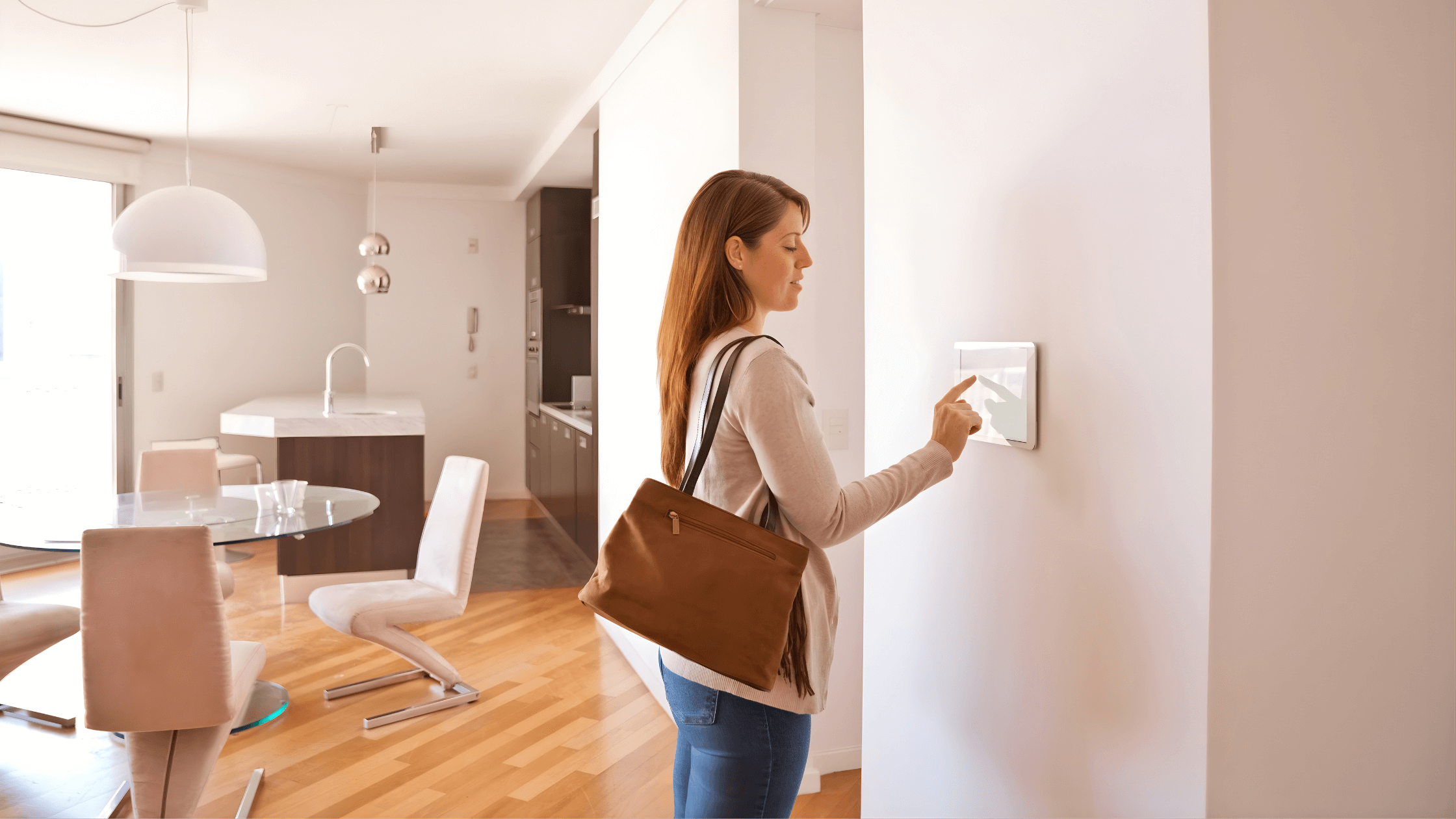
Smart homes are no longer futuristic—they are accessible, affordable, and easy to set up. If you’re just getting started with smart technology, choosing the right gadgets can make all the difference. In this guide, we’ll introduce the best smart home devices for beginners in 2026, explain why they matter, and help you build your first smart home system with confidence.
1. Smart Plugs: Easy Automation Starter
Why beginners love them:
Smart plugs let you control almost any device—lamps, fans, coffee makers—with your phone or voice assistant. They’re often the simplest smart home gadget to install.
Top features:
-
Remote on/off control
-
Schedule automation
-
Works with Alexa, Google Assistant, or Siri
Ideal for:
People who want automation without replacing appliances.
2. Smart Lights and Bulbs
Modern smart bulbs bring convenience, energy savings, and personalization.
Benefits include:
-
Dimmable settings and color control
-
Automated lighting schedules
-
Voice control via assistants
Beginner tip:
Start with a few bulbs in key areas like living rooms and bedrooms.
3. Smart Security Cameras
Security is a priority for many first-time smart home buyers. Smart cameras offer peace of mind with real-time alerts, live feeds, and motion detection.
Key advantages:
-
Instant alerts to your smartphone
-
Night vision for 24/7 coverage
-
Two-way audio
4. Smart Doorbells with Video
One of the most impactful upgrades for any beginner smart home:
Live features include:
-
Motion alerts before visitors arrive
-
Live video streaming
-
Two-way talk
Perfect for:
Front door monitoring and delivery alerts.
5. Smart Speakers and Voice Assistants
Beginner smart homes wouldn’t exist without voice control.
Uses include:
-
Controlling lights, plugs, and thermostats with voice
-
Checking weather, timers, and reminders
-
Playing music throughout the home
6. Smart Thermostats
A smart thermostat is one of the best beginner upgrades for comfort and energy savings.
Benefits:
-
Automates heating/cooling based on routines
-
Remote control from your phone
-
Energy usage reports
7. Smart Sensors: Motion & Door/Window
Sensors make your smart home more responsive and aware.
Common types:
-
Motion sensors for automated lighting
-
Contact sensors for doors and windows
Use cases:
Trigger lights, send alerts, automate routines.
8. Smart Locks: Keyless Entry Made Simple
Smart locks simplify access control without complicated wiring. They are ideal for busy households.
Features to look for:
-
Keyless entry codes
-
Auto-lock settings
-
Remote access control
How to Build Your First Smart Home System
Here’s a simple smart home setup for beginners:
-
Start with smart plugs and smart bulbs
Automate everyday devices and lighting. -
Add a smart speaker/voice assistant
Control gadgets hands-free. -
Install a smart camera and video doorbell
Add security without complexity. -
Expand with sensors and smart locks
Increase automation and safety over time.
This step-by-step approach avoids overwhelm and delivers immediate value.
Smart Home Setup Tips for Beginners
-
Choose devices that work together: Start with gadgets compatible with the same voice assistant or app.
-
Start small: Add devices gradually to learn how automation benefits your routines.
-
Use automation routines: Schedule lights or plugs to activate based on time or motion.
-
Keep security in mind: Change default passwords and enable two-factor authentication.
Why 2026 Is a Great Year to Start Smart
By 2026, smart home technology has become more:
-
Affordable
-
User-friendly
-
Integrated across devices
-
Secure for consumers
Even beginners can enjoy automation that enhances comfort, safety, and convenience.
Final Thoughts
Smart home gadgets can transform your daily life, and you don’t need to be a tech expert to begin. Start with the essentials, expand with confidence, and enjoy a smarter, more connected home.
Ready to get started?
Visit homesgpt.shop and explore our curated collection of beginner-friendly smart home devices.
Share:
Smart Home Automation Ideas for Busy Families